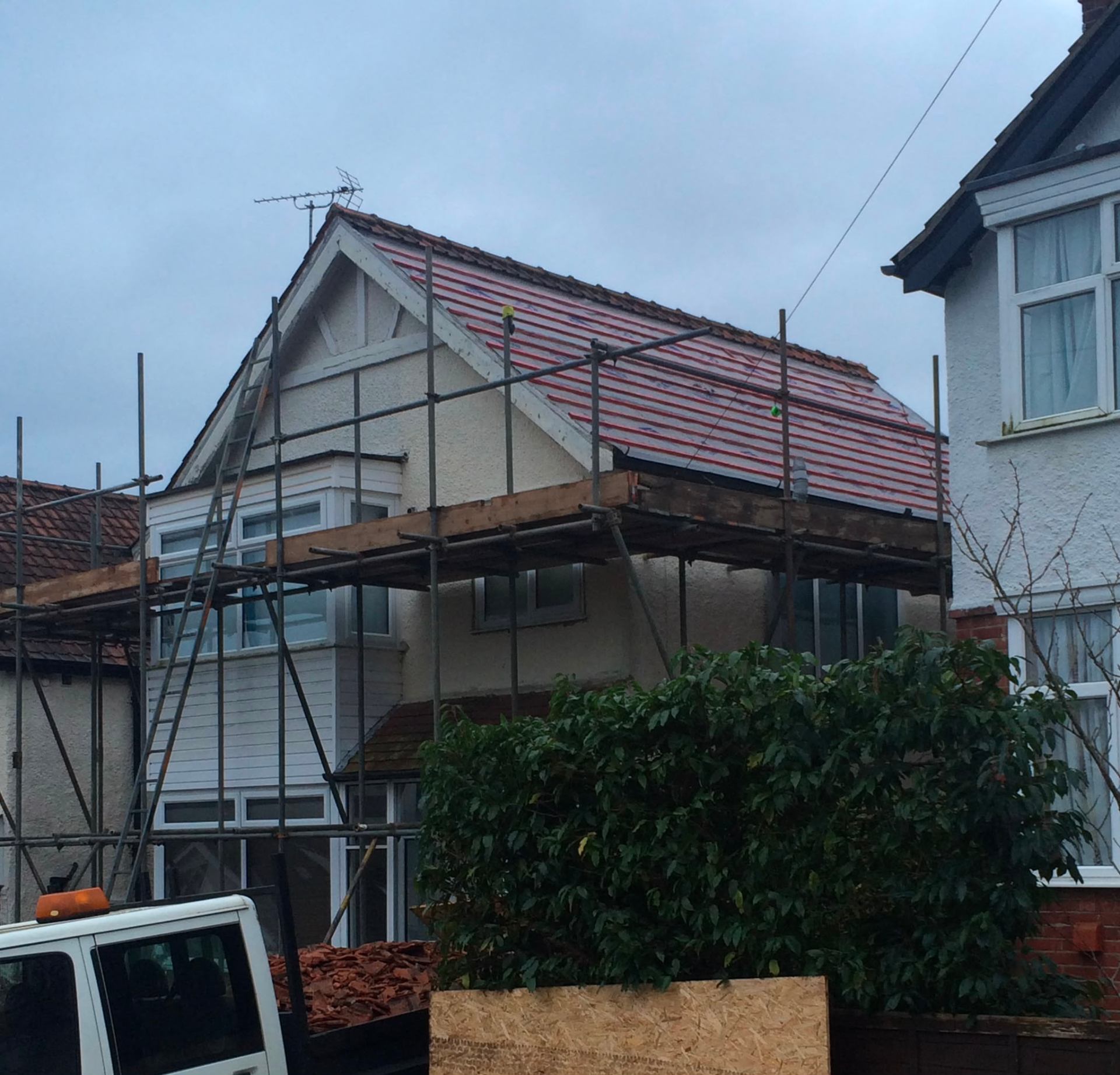
Roof Underlay Replacement in Chippenham
BC Roofing & Building replaces roof underlay, old bitumen felt and modern breathable roofing membrane across Chippenham and the surrounding Wiltshire area. From torn membrane and water marks in the loft, to roof leaks that keep coming back and slipped tiles exposing the felt beneath — we sort the hidden secondary layer that quietly keeps your home dry.
- Breathable membrane replacement
- Old roof felt replacement
- Roof leak and underlay advice
- Local Chippenham roofing service
- Serving Chippenham & nearby Wiltshire
What is roof underlay replacement?
Roof underlay replacement means renewing the protective layer beneath your roof tiles or slates. Modern breathable membrane acts as a secondary barrier against wind-driven rain while still allowing moisture vapour to escape from the roof space below.
Who replaces roof underlay in Chippenham?
BC Roofing & Building replaces roof underlay in Chippenham and nearby Wiltshire — covering old bitumen felt, damaged breathable membrane, water marks in the loft, roof leaks and underlay renewal during repairs or re-roofing. Call +44 7570 016 676 for advice or a quote.
Roof Underlay Replacement in Chippenham
The quiet layer between your tiles and your ceilings — when it fails, everything above it stops working properly.
Most people never think about their roof underlay until something goes wrong. It sits out of sight beneath the tiles or slates, quietly catching wind-driven rain, blown snow and the occasional drip from a slipped tile. BC Roofing & Building helps homeowners across Chippenham and the wider Wiltshire area renew that layer — from tired bitumen felt found during a repair, to a full breathable membrane replacement as part of a re-roof.
We regularly come across old felt that has hardened and cracked, membrane that has torn between the rafters, and leaks that keep returning because the underlay beneath the tiles has quietly given up. Replacing that layer with a modern breathable membrane, properly lapped and dressed into the gutter line, gives the tiles above it a sound secondary defence for the next stretch of the roof's life.
Every underlay job starts with a proper look at the roof and, where safe, at the underside from the loft. We'll explain what we can see, what's causing the issue and what the sensible next step is — then send a clear written quote. For related roofing help, see our roof repairs in Chippenham or roof felt and batten replacement in Chippenham page.
What Is Roof Underlay?
The sheet beneath your tiles that most homeowners never see — and that quietly does half the work.
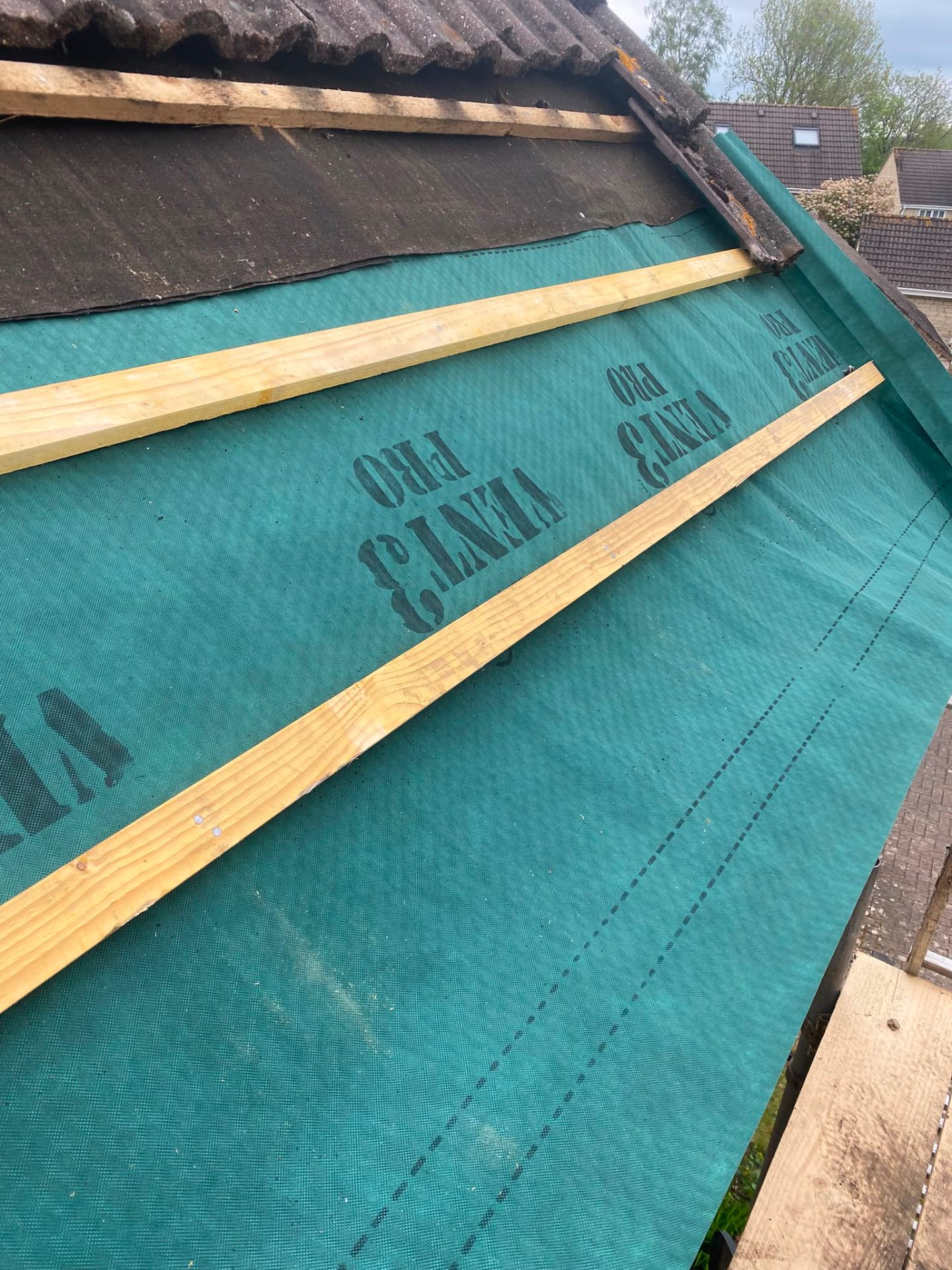
Roof underlay is a sheet material laid directly over the rafters of a pitched roof, beneath the tiles or slates. From outside you'll never see it, but from your loft it's the material fixed to the underside of the roof between the timbers. It's there to act as a secondary weather layer.
Traditional Roof Felt
On many older Chippenham homes the underlay is a heavy, black bitumen felt fitted decades ago. It did its job for a long time, but hardens and cracks as it ages. Once it starts crumbling to the touch it's no longer sealing water out reliably.
Is roof underlay visible from the loft?
Yes — in most pitched roofs the underside of the underlay is visible between the rafters. That's often the first place a problem shows up as staining or a torn section.
What Is Breathable Roof Membrane?
The modern replacement for old bitumen felt — lighter, tougher, and designed to let a roof breathe.
Breathable Roof Membrane
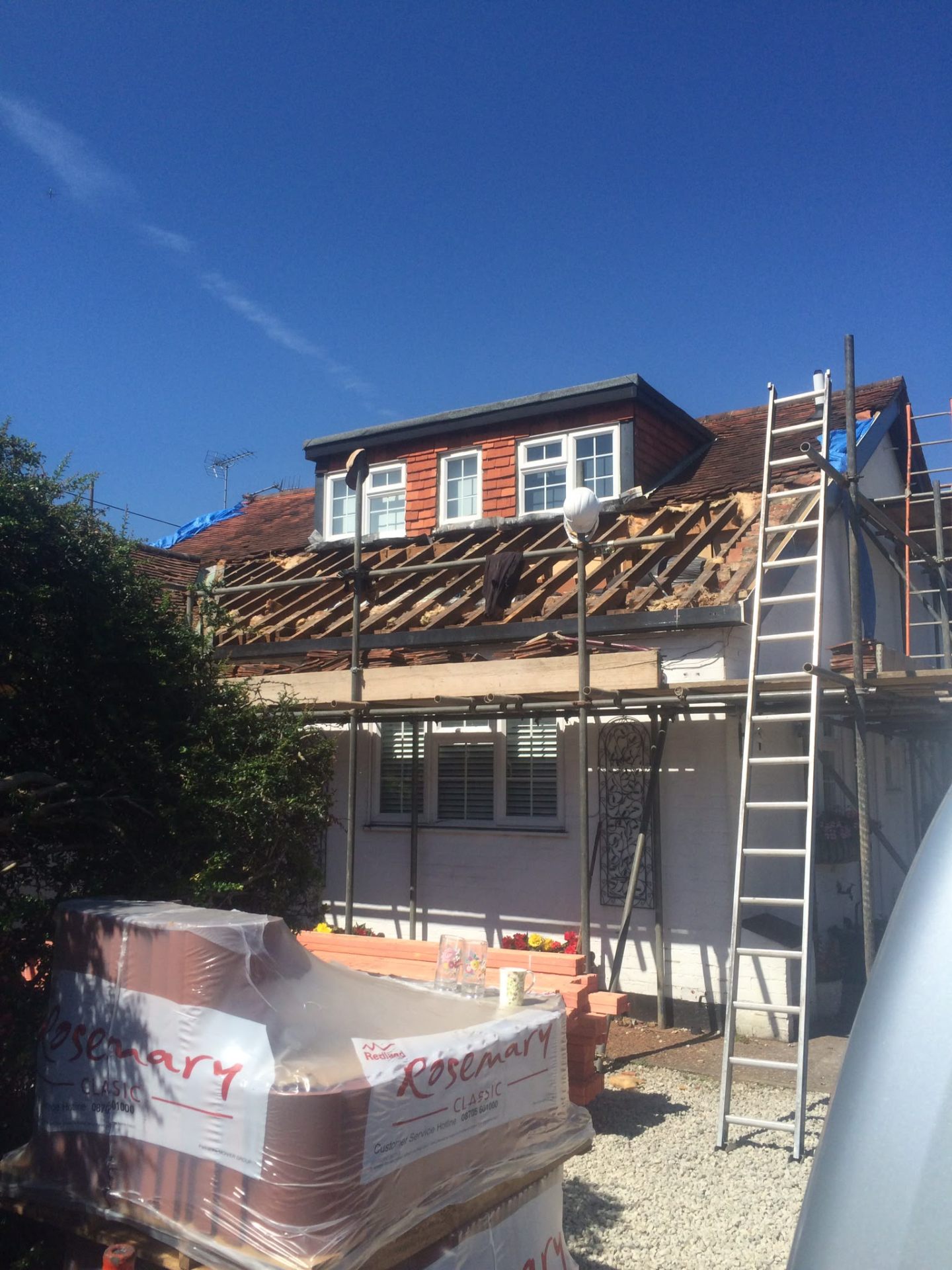
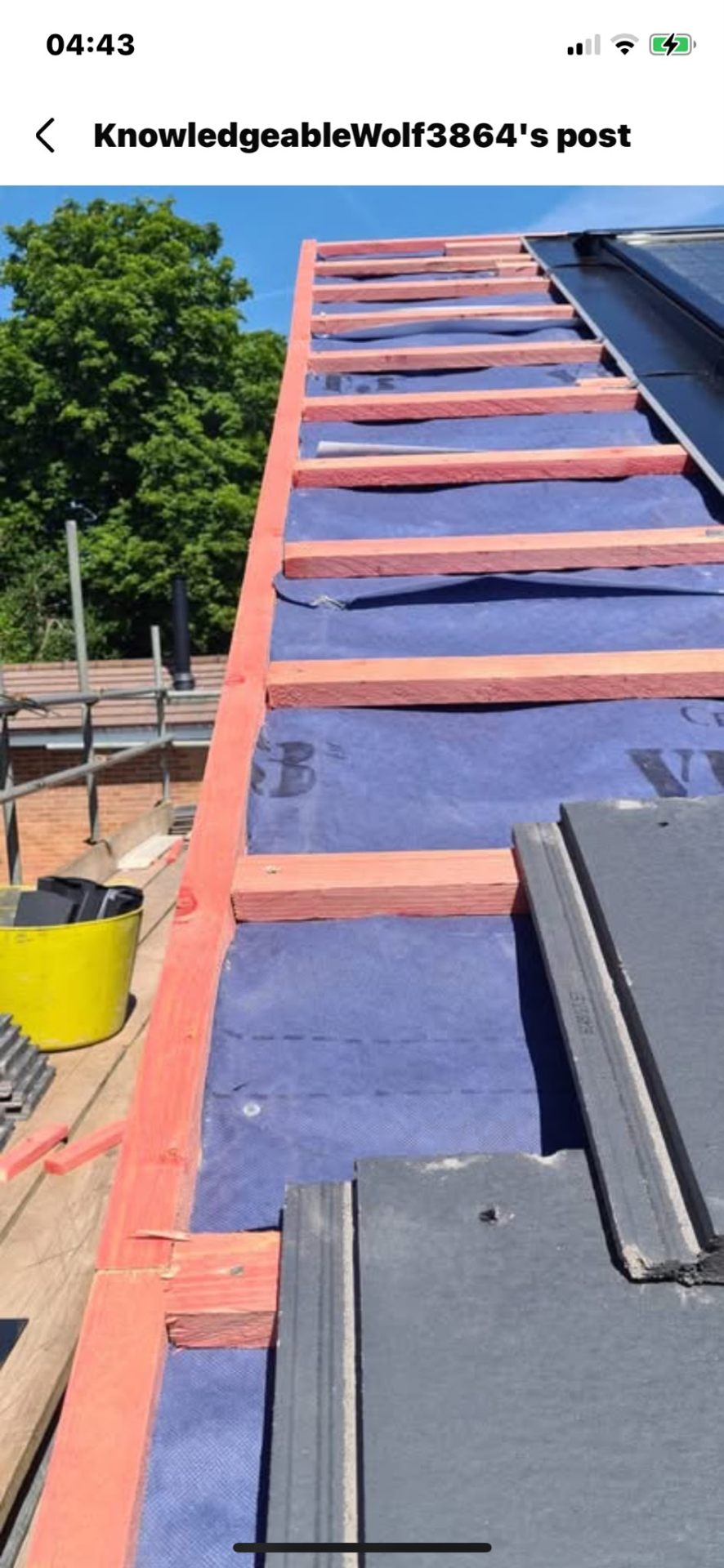
A breathable membrane is a modern engineered fabric that does the same secondary-weather job as old felt, but is designed to let water vapour pass out of the roof space while still shedding water on the outside. That helps reduce condensation issues that traditional bitumen felt is prone to.
Why wind-driven rain matters
In a straight downpour tiles do most of the work. Wind-driven rain is different — it's forced sideways under tile laps and around fixings. That's when the membrane matters most: it catches that water and channels it away before it reaches the timbers or ceilings.
Breathable membrane is now the standard secondary layer we fit on Chippenham re-roofs, on both tile and slate coverings.
Why Roof Underlay Matters
Tiles are the shield. Underlay is the safety net. Both need to be doing their job.
Secondary Weather Protection
- Catches wind-driven rain that gets under tile laps
- Holds back blown snow at eaves and hips
- Shields the roof timbers from the odd drip
- Gives you time to notice a small tile issue before it becomes a leak
Can damaged underlay cause leaks?
Yes. When the tiles above are intact and dry, torn or brittle underlay isn't obvious. But the moment a tile slips, a fixing lets go or the wind drives rain sideways, the failed layer stops holding water back — and that's when it ends up on rafters, insulation and ceilings.
Guidance only — we'll confirm the right approach for your particular roof at the quote stage.
When Does Roof Underlay Need Replacing?
The situations where renewing the underlay is the sensible next step — not a nice-to-have.
During a full re-roof
Any full re-roof includes a new breathable membrane as standard — it's the right moment to renew the layer beneath the tiles.
When old felt is brittle
If the felt visible in your loft has hardened, cracked or split, it's stopped acting as a proper secondary weather layer.
When underlay is torn or sagging
Tears between rafters, or heavy sagging that ponds water, need repairing or replacing so water runs out to the gutter.
When water marks appear in the loft
Dark stains on rafters and joists usually mean the underlay above has failed at a lap, a nail or a torn section.
When leaks continue after tile repairs
If the same patch keeps leaking after tile work, the underlay beneath is the likely cause and needs renewing.
When slipped tiles have exposed the underlay
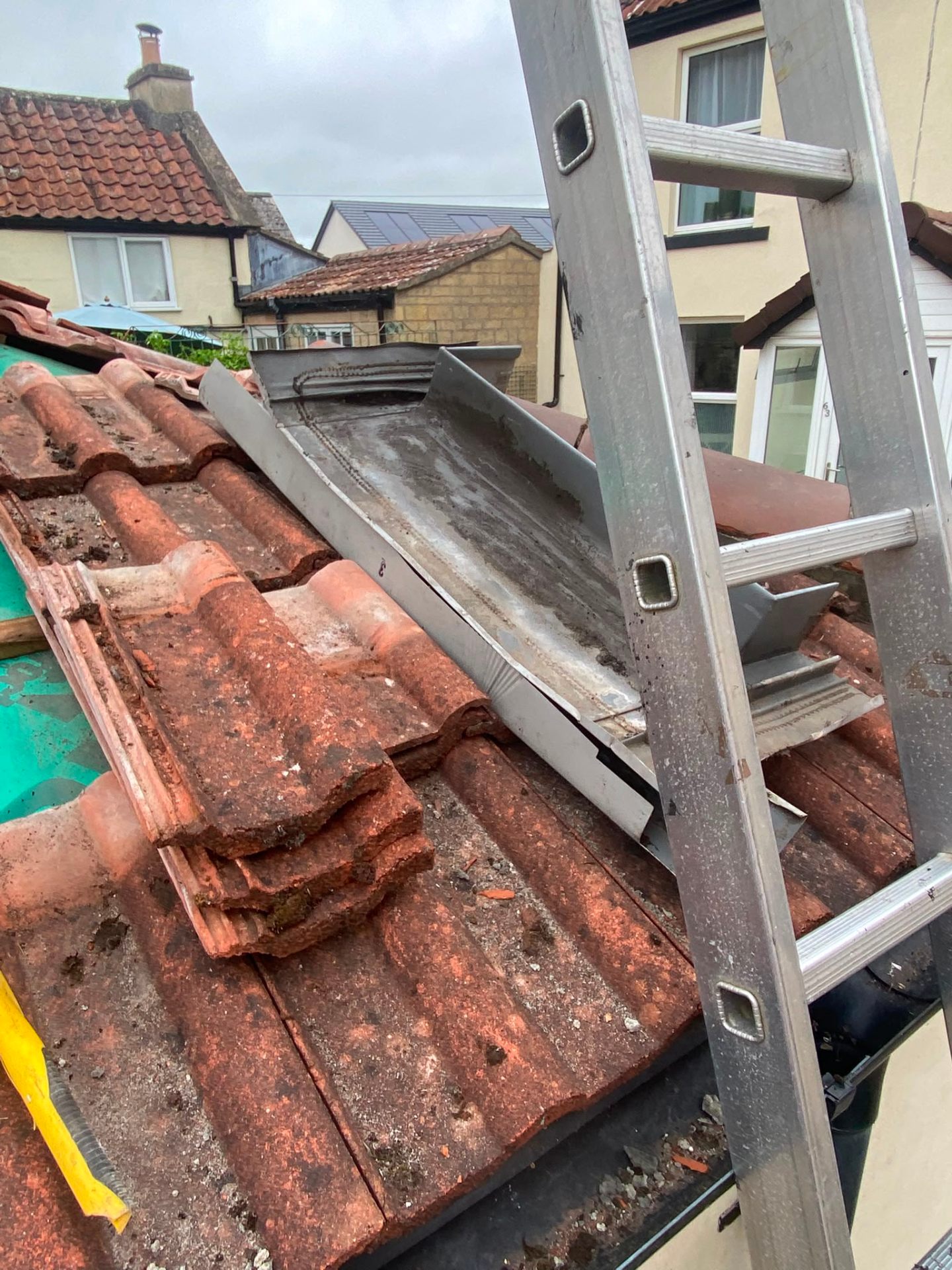
Underlay left exposed to UV degrades quickly — the tile above and the felt beneath usually both need attention.
When previous work has left the membrane poorly fitted
Badly lapped, poorly dressed or torn membrane from a previous job often needs re-laying properly.
When the roof covering is stripped for repairs
Once tiles are off, replacing tired underlay in the same visit is far cheaper than coming back to it later.
Why old roof felt should not be ignored
Brittle felt often looks fine from the loft on a still, dry day. It only really shows itself during a spell of driving rain from the wrong direction — by which point water is already tracking past the tiles, through the failed underlay and into the ceiling below. Renewing it as part of planned work is far cheaper than dealing with the damp damage afterwards.
Signs of Damaged Roof Underlay
Most underlay problems show themselves first in the loft — long before water reaches your ceilings.
Water Marks in the Loft
Dark stains on the rafters or joists in the loft are one of the earliest signs the underlay above has torn, split at a lap or gone brittle with age.
Torn or Sagging Membrane
Underlay that has ripped between rafters, or dips heavily instead of sitting taut, can trap and pond water instead of running it out to the gutter.
Old Brittle Roof Felt
Traditional bitumen felt hardens and cracks over time. Once it's crumbling to the touch it's stopped shedding wind-driven rain properly.
Damp Patches After Heavy Rain
Wet spots on ceilings that appear only after storms usually point to wind-driven rain slipping past intact tiles and finding a failed underlay layer.
Slipped Tiles Exposing Underlay
When a tile slips or drops out, the felt beneath is suddenly exposed to UV and weather — and can degrade quickly if left uncovered.
Repeated Leaks Beneath Tiles
If the same patch keeps leaking after tile repairs, the underlay beneath the covering is usually the real culprit and needs replacing locally or across the area.
Daylight or Gaps in the Roof
Any daylight visible from the loft on a bright day, or gaps in the felt at eaves, valleys or hips, means water can get past the covering unhindered.
Underlay Damage Found During Repairs
Once tiles are lifted for a repair, tired underlay is often visible up close — the sensible time to replace it rather than covering it back up.
Staining on Rafters or Timbers
Streaked or blackened rafters below the felt line are a classic sign that water has been running down the underside of a failing underlay layer.
Signs Your Roof Underlay May Need Replacing
A quick guide linking the warning sign to what it could mean and a sensible next step.
| Warning sign | What it could mean | Recommended action |
|---|---|---|
| Water marks in the loft | Underlay has torn, split at a lap or gone brittle | Book a roof and loft inspection |
| Torn membrane visible | Water can bypass the secondary layer during rain | Lift local tiles and repair or replace section |
| Repeated roof leaks | Felt or membrane beneath the tiles has failed | Plan strip, re-underlay and re-cover of the area |
| Old brittle bitumen felt | Underlay has hardened and cracked with age | Plan re-felt during next strip or re-roof |
| Slipped tiles exposing underlay | UV and rain accelerating membrane failure | Refit tiles urgently and check membrane condition |
| Damp patches after heavy rain | Wind-driven rain getting through failed underlay | Trace the source and repair felt/tiles |
| Staining on roof timbers | Water tracking beneath a leaking underlay layer | Full inspection of felt, laps and detail work |
| Underlay exposed during repairs | Existing felt often visibly past its best | Fit new breathable membrane while roof is open |
Guidance only — every roof is different. Book a proper inspection for advice specific to your property.
Roof Underlay Beneath Tiles and Slates
The same secondary layer works beneath both concrete tile and natural slate roofs — the outer covering changes, the underlay principle doesn't.
Underlay Beneath Tiles and Slates
On a concrete tile roof the tiles are the visible weatherproof layer — heavy, interlocking and doing most of the shedding of rain. The underlay behind them catches anything the tiles miss and any wind-driven rain that gets under the laps.
On a slate roof the principle is the same, but the covering is different. Slates are lighter and fixed individually, so a slipped or missing slate can expose underlay directly to the weather. A sound breathable membrane behind the slate gives that extra bit of protection before repairs happen.
When roof underlay should be inspected
Any time you spot a slipped tile, notice a leak that clears up and comes back, or plan any roof repair, it's worth having the underlay looked at at the same time. For related work, see our roof tiling and slating in Chippenham page.
Roof Protection Layers: Tiles, Underlay and Loft Space
How the outer covering, support timbers, underlay and loft space stack up on a typical pitched roof.
Outer layer: concrete tiles or slate
The visible roof covering that takes the first hit from wind, rain and debris.
Support layer: roof battens
Timber battens fixed across the rafters that hold and space the tiles or slates.
Secondary protection: breathable membrane or roof underlay
The layer that catches anything the tiles miss — wind-driven rain, blown snow and small drips.
Structure: rafters
The timber frame that carries the whole roof. The underlay is laid directly over these.
Interior: loft space
The room under the rafters — where signs of a failing underlay tend to show up first.
Simplified diagram — real roofs vary depending on age, insulation and detail work.
Water marks in your loft?
Book a roof and underlay inspection and get honest advice on whether local repair or full replacement is the right call.
Roof Underlay Problem Priority Matrix
How urgent different underlay and membrane problems tend to be. When in doubt, book an inspection.
| Underlay issue | What you may notice | Possible risk | Recommended next step |
|---|---|---|---|
Priority Torn roof membrane | Rips visible between rafters from the loft | Water enters roof space during any decent rain | Lift local tiles and repair or replace section |
Priority Old brittle bitumen felt | Felt cracks and crumbles when touched | Wind-driven rain gets past the covering | Plan re-underlay during next strip or re-roof |
Priority Water marks in loft | Dark staining on rafters and joists | Active leak that will spread to ceilings | Trace the source and repair felt/tiles |
Priority Slipped tiles exposing underlay | Visible gap in covering, felt showing through | Rapid membrane failure, then leaks inside | Refit tiles urgently, check membrane |
Priority Repeated leaks in same area | Same patch drips after every storm | Rot in timbers, damaged insulation and ceilings | Full inspection — usually re-underlay locally |
Priority Sagging underlay | Membrane dips heavily between rafters | Water ponds instead of running to the gutter | Assess laps and detail — often re-lay the area |
Priority Underlay damage found during inspection | Torn or perished sections spotted from loft | Silent problem that worsens each storm | Plan repair or replacement before winter |
Priority Roof being prepared for re-roofing | Tiles coming off, old layers exposed | Missed chance to renew the underlay properly | Fit new breathable membrane as standard |
Guidance only — contact us for an inspection specific to your property.
Roof Underlay Replacement During Repairs or Re-Roofing
Whether it's a small localised repair or a full re-roof, the underlay is the layer that gets renewed properly along the way.
Underlay During Re-Roofing
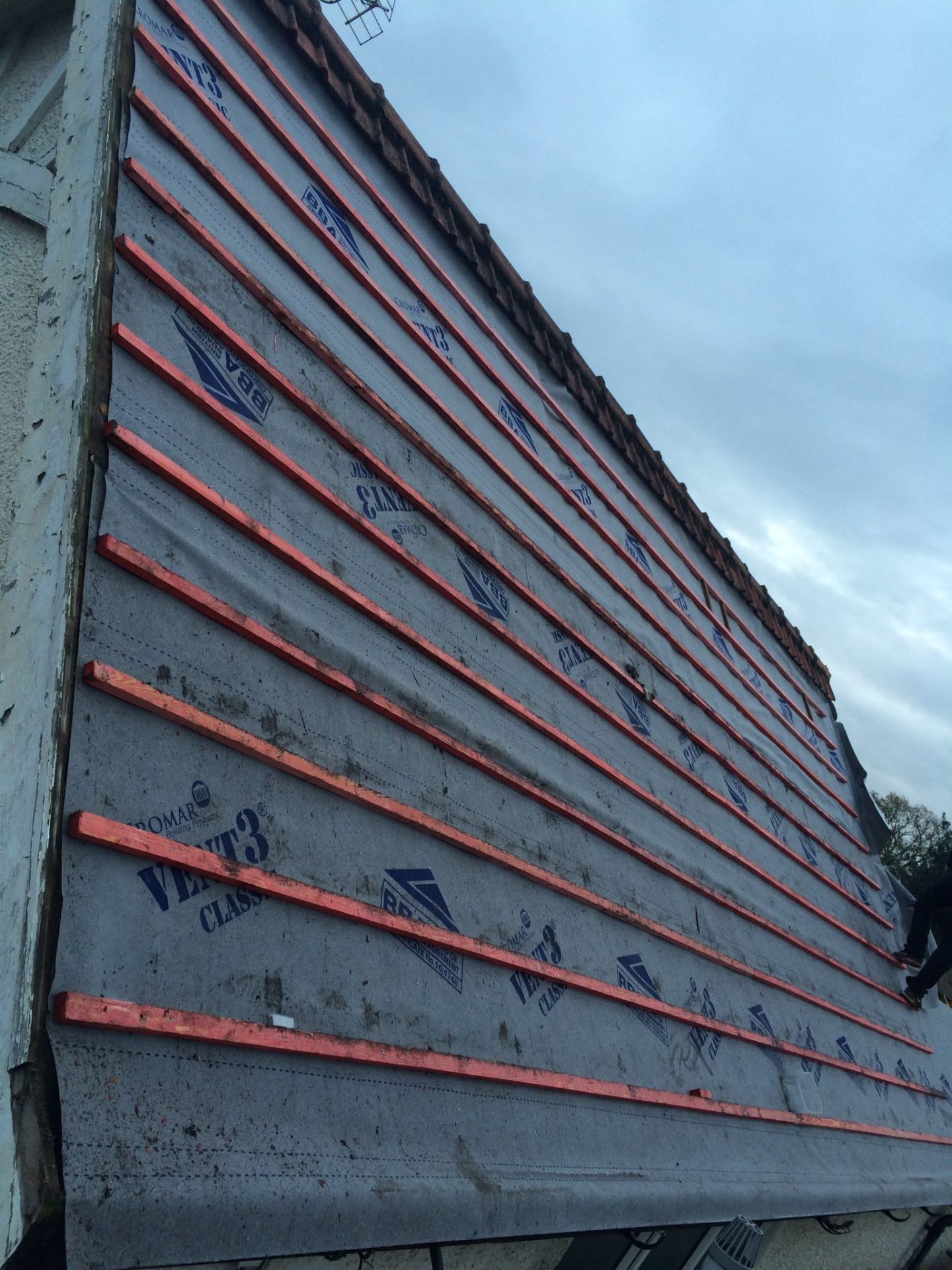
On a full re-roof we strip the old covering, clear away the old felt and check the rafters. A new breathable membrane is then laid across the roof, lapped correctly and dressed cleanly into the gutter line so any water it catches actually reaches the drainage.
Roof Leaks and Water Marks
For a stubborn leak or fresh water marks in the loft, replacement isn't always needed across the whole roof. Often we can lift a local area of tiles, repair or renew the membrane there and refit — a much smaller job than a full re-roof when it's caught early.
When full roof stripping may be needed
If the underlay is failing across large sections, or the tiles above have reached the end of their life anyway, a full strip and re-cover with new membrane usually works out better value than repeat patch repairs.
Our Roof Underlay Replacement Process
A simple, straightforward path from first call to a properly re-covered roof.
Get in touch
Call +44 7570 016 676 or send a quick enquiry describing the underlay, leak or felt issue.
Roof & loft inspection
We check the tiles from outside and, where possible, the underside of the felt and any water tracking from the loft.
Clear written quote
A straightforward quote covering membrane, associated tile work and any repairs needed — nothing hidden.
New underlay fitted properly
A new breathable membrane is laid, lapped and dressed in, tiles refitted and the site left tidy.
Local Roof Membrane Replacement Across Wiltshire
Based in Chippenham and covering the town, surrounding villages and nearby parts of Bristol, Avon and Gloucestershire.
Alongside roof underlay replacement in Chippenham, we regularly carry out membrane and felt work on properties in Calne, Corsham, Melksham, Lacock, Trowbridge, Devizes, Bath and Swindon, and across into Bristol, Avon and Gloucestershire. Being genuinely local means we can usually get out to look at a leak or water mark quickly and give an honest picture in person. See also our roof felt and batten replacement in Chippenham or fascias, soffits and guttering in Chippenham.
- Chippenham
- Calne
- Corsham
- Melksham
- Lacock
- Trowbridge
- Devizes
- Bath
- Swindon
- Bristol
- Avon
- Gloucestershire
Not sure if we cover your area? Give us a call — we're often working just a bit further afield too.
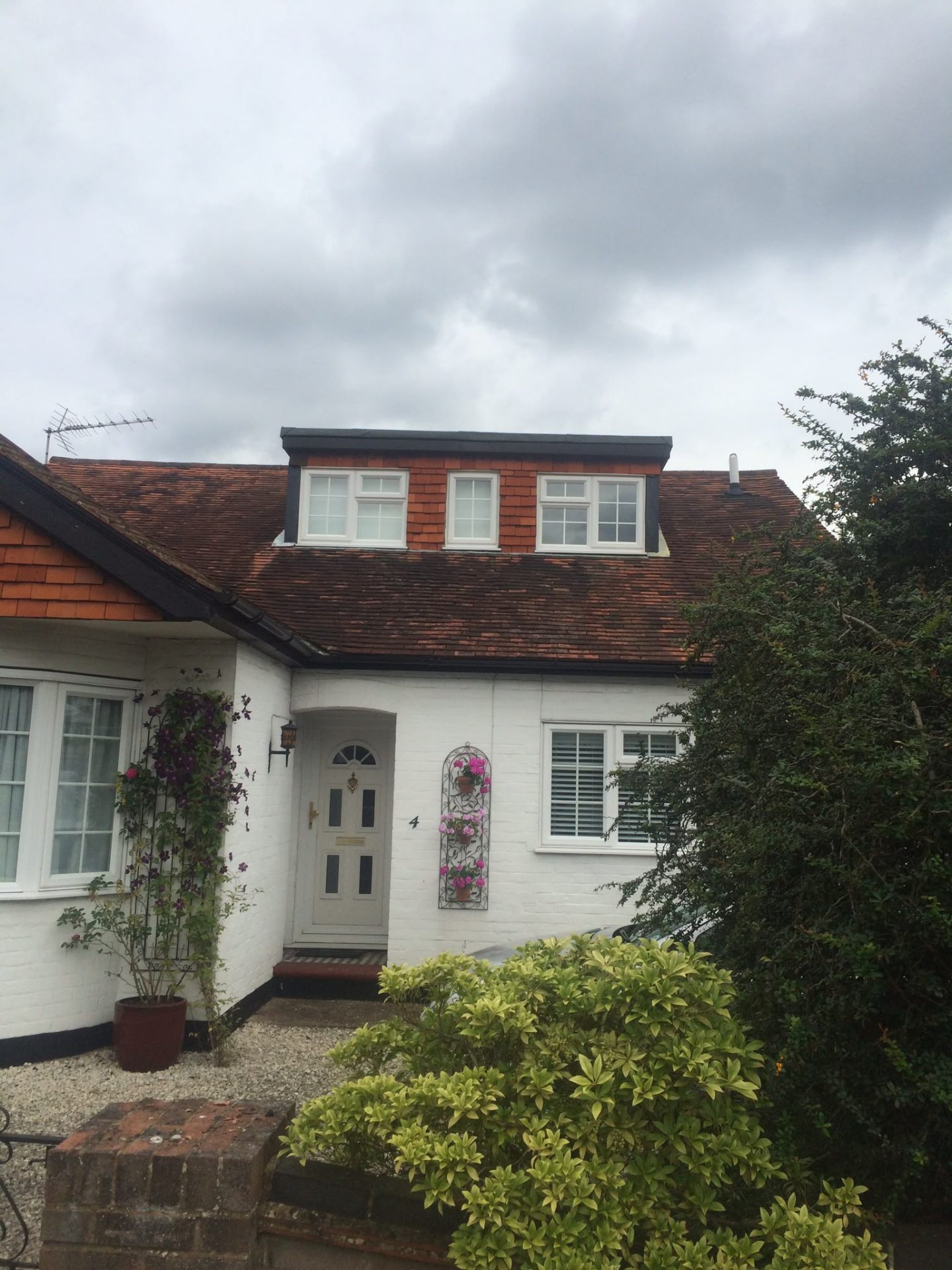
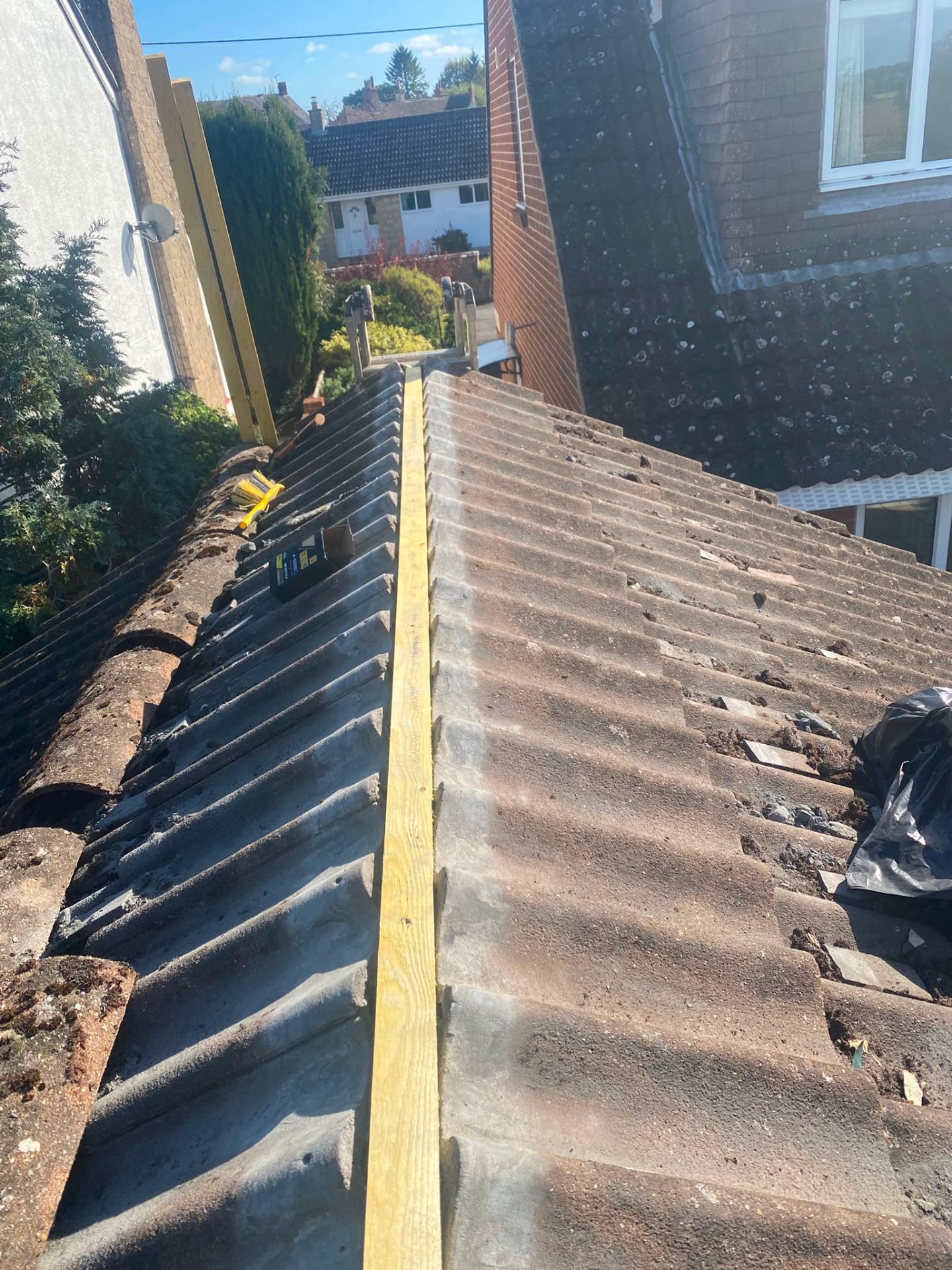
Roofing Work You Can See
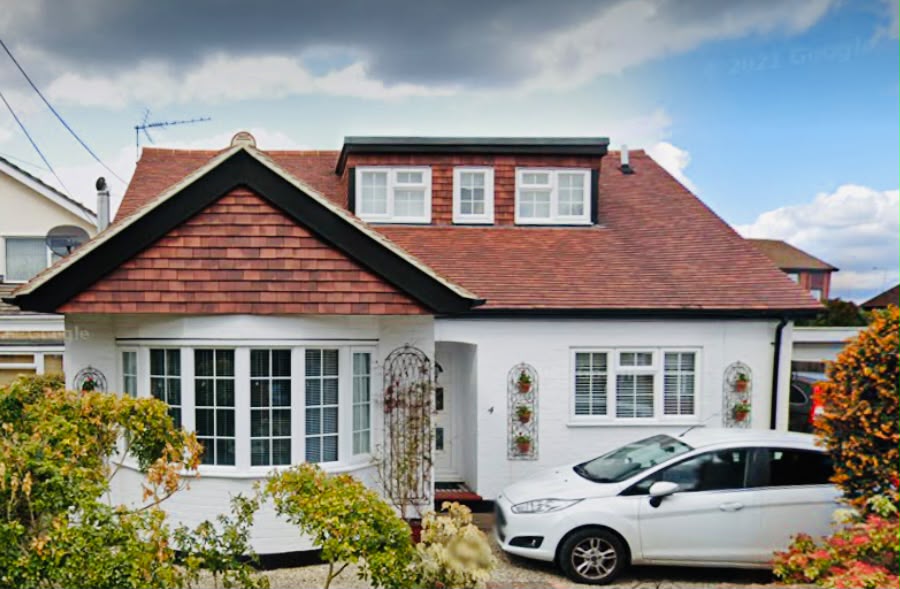
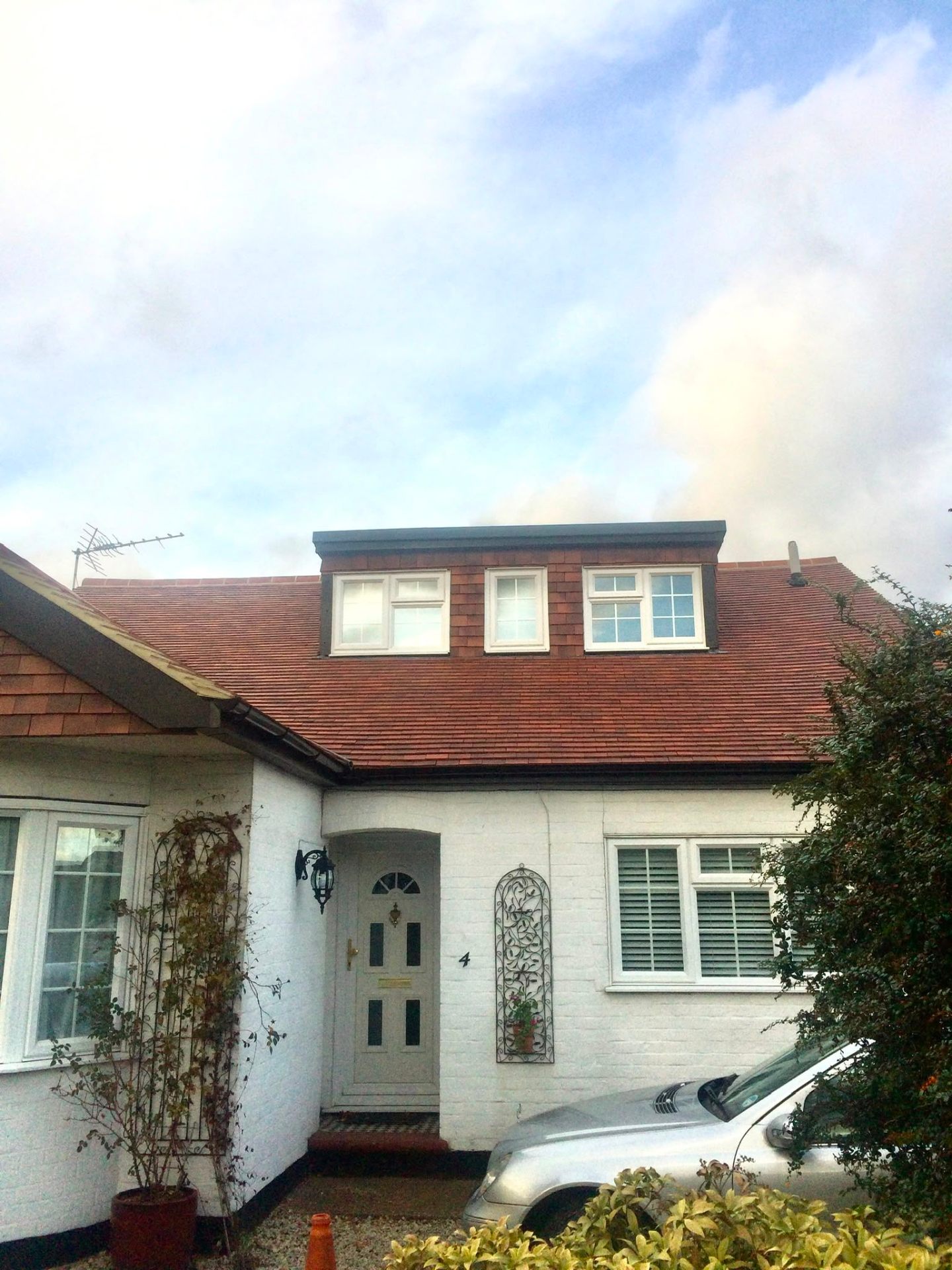
A closer look at recent underlay, membrane and re-roof projects completed across Chippenham and Wiltshire.
Why Choose BC Roofing & Building?
A straightforward local roofing company that turns up, does the job properly and treats your property with respect.
Local Chippenham roofing company
Modern breathable membranes as standard
Old bitumen felt replaced properly
Clear written quotes before work begins
Help with repairs, leak work and full re-roofs
Reliable communication from enquiry to finish
Professional workmanship, site left tidy
Real project images across the website
Roof Underlay Replacement FAQs
Answers to the questions we're asked most often about roof underlay, breathable membrane and old roof felt.
What is roof underlay?
Roof underlay is the sheet material fitted directly beneath your roof tiles or slates. It sits over the rafters and acts as a secondary weather layer, catching any wind-driven rain or drips that get past the outer covering and guiding that water safely into the gutter.
Frequently asked questionIs breathable membrane the same as roof felt?
They do the same job but they're not the same material. Traditional bitumen felt is the older heavy black sheet you'll see on many Chippenham homes. Modern breathable membrane is a lighter, tougher fabric that lets moisture vapour escape from the roof space while still shedding water on the outside.
When should roof underlay be replaced?
Usually when the tiles are being lifted anyway — during a re-roof, a strip and re-tile, or during a repair that traces a leak back to failed felt. It's also worth planning replacement if the felt visible in your loft has gone brittle, torn or is sagging heavily between the rafters.
Can damaged roof underlay cause leaks?
Yes. When the tiles above are intact the underlay rarely sees water — but the moment a tile slips, a nail lets go or a storm drives rain sideways, a torn or brittle underlay stops holding that water back and it can end up on your ceilings.
Is roof underlay replaced during a re-roof?
Always. On any full re-roof we strip the old covering, remove the old felt and battens, then lay a new breathable membrane across the rafters before fresh battens and the new tiles or slates go back on. Reusing old underlay under a new roof isn't good practice.
Can you inspect roof membrane in Chippenham?
Yes. We can inspect the underside from the loft to check the condition of the felt or membrane where it's visible, and check the outer covering from the roof. If we spot torn laps, brittle patches or water tracking, we'll show you and explain the options.
Does roof underlay sit beneath roof tiles?
Yes. In a typical pitched roof build-up, tiles or slates are on the outside, battens sit under the tiles, and the underlay is laid directly on the rafters underneath both. The underlay is the layer you can see from inside the loft.
Can old roof felt be replaced?
Old bitumen felt can be replaced, but usually only by lifting the tiles above it — which effectively means a strip and re-tile of that area. Small localised repairs to torn sections are sometimes possible; we'll be straight with you about what's realistic on your roof.
What are signs of damaged roof underlay?
The most common signs are water marks on loft rafters, brittle or cracked felt visible from inside the loft, torn or sagging membrane between rafters, damp patches after heavy or wind-driven rain, and leaks that keep coming back after tile repairs.
Is breathable membrane used under slate and tile roofs?
Yes. Breathable membrane works well beneath both concrete tile and natural slate roofs. It's now the standard secondary layer on modern re-roofs across Chippenham and Wiltshire — regardless of whether the outer covering is tile or slate.
Or call us on +44 7570 016 676 or 01249 533028.
Request a Roof Underlay Quote
Not sure whether your roof underlay, old felt or breathable membrane needs replacing? Send us a few details about the issue and BC Roofing & Building will advise on the next step. If it's easier, you can call +44 7570 016 676 and talk it through, or head straight to the enquiry form below.
- Roof underlay replacement
- Breathable membrane replacement
- Old roof felt replacement
- Roof leak advice
- Roof repairs and re-roof support
- Local Chippenham and Wiltshire service
Get Your Free Roofing Quote
Tell us what roofing work you need and we'll get back to you as soon as possible.